
Biota
Listening to biodiversity as music
Ecoacoustic compositions, participatory sound installations, and interactive educational tools derived from living soundscapes.
PROJECTS
BIOTA explores biodiversity through sound, bringing together artistic installations, electronic composition, ecoacoustic research, and participatory educational tools.
BIOTA Collective Soundscapes
Participatory sound installation where visitors collectively shape a living acoustic ecosystem. Through distributed interfaces and real-time sound transformations, natural soundscapes become shared musical environments.


Biota Specimens
Electronic music project composed from animal vocalizations and environmental sound recordings.
Field recordings are transformed into rhythmic structures and sonic textures, revealing hidden musical patterns in biodiversity.
BIOTA Edu
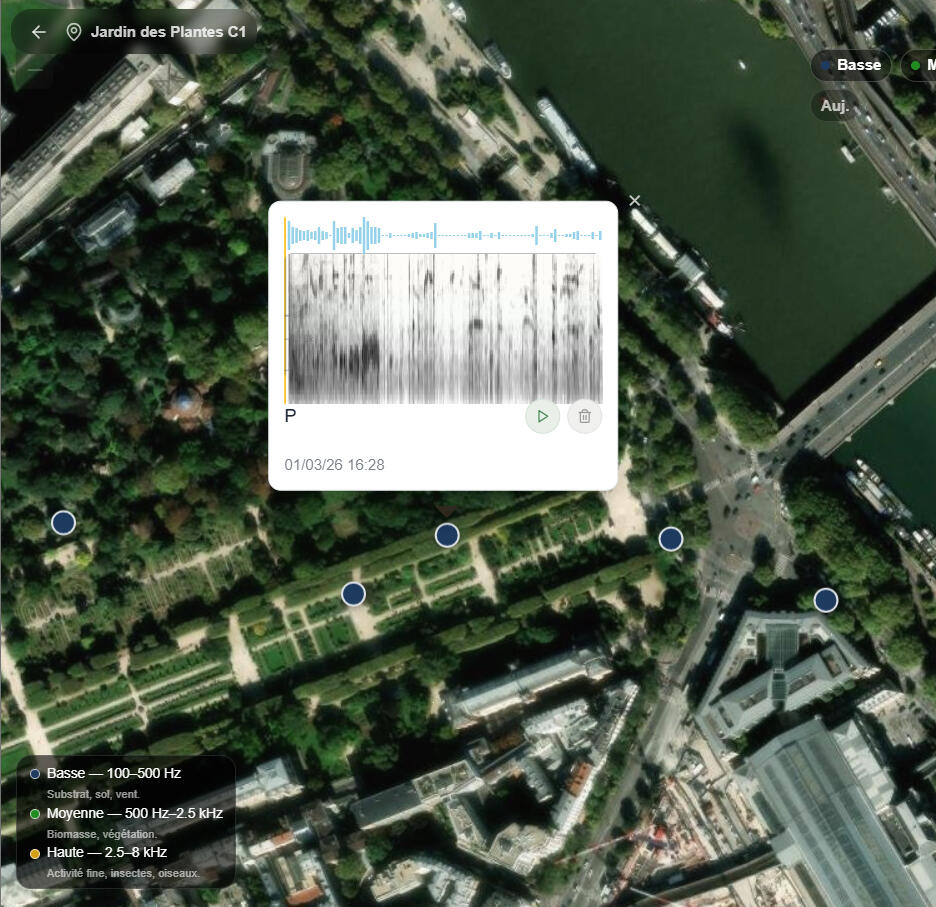
Interactive platform introducing ecoacoustic listening and biodiversity through sound-based participation.
Educational tools invite students and audiences to explore ecosystems by listening, composing, and interacting with environmental soundscapes.
Ecoacoustic Research
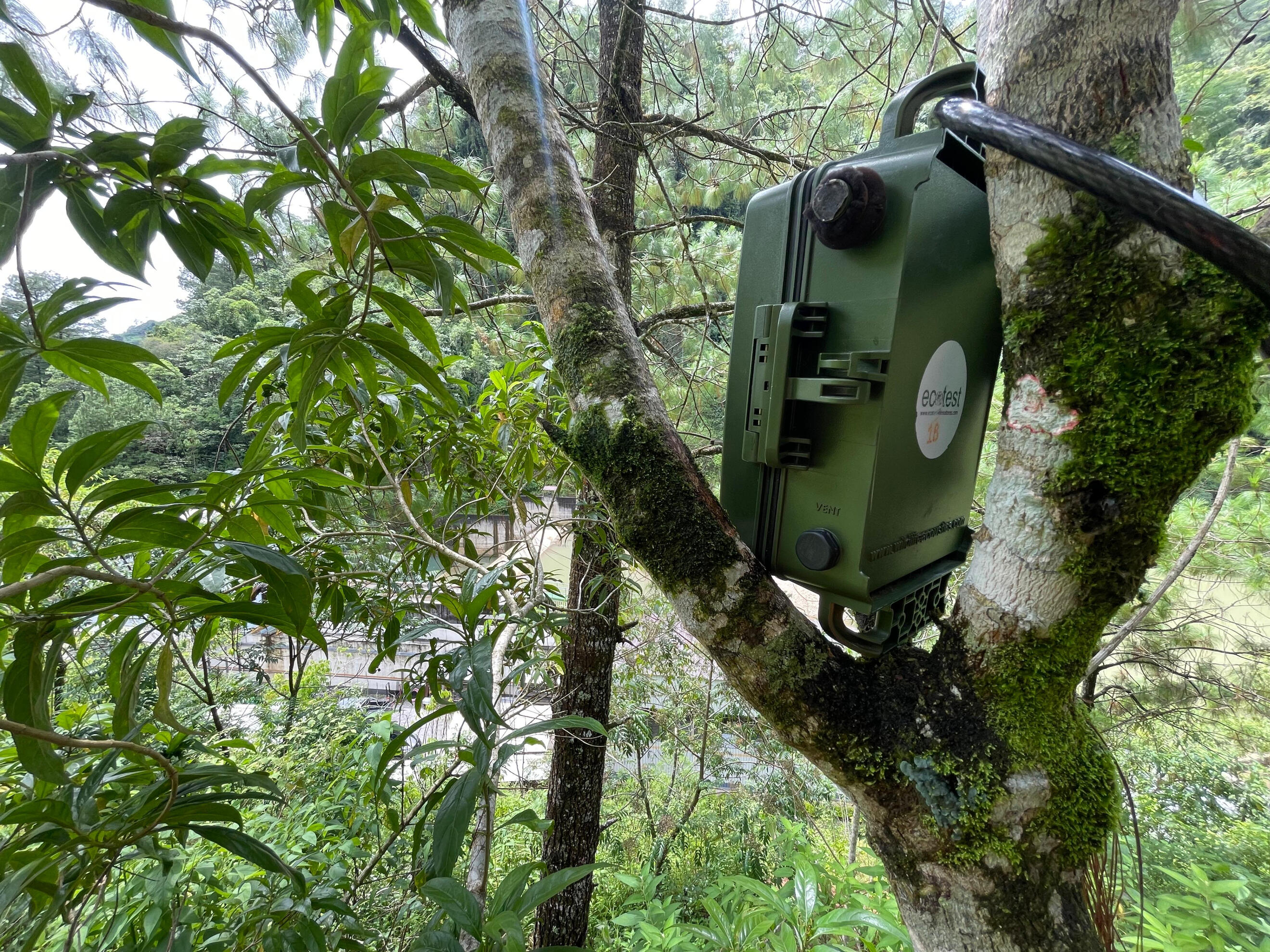
Scientific research exploring biodiversity through soundscape analysis, field recordings, and automated acoustic monitoring.
The research dimension provides the ecological foundation that informs BIOTA’s artistic and educational projects.
Listen
Selected compositions from the Biota Specimens project, created from animal vocalizations and environmental soundscapes recorded in diverse ecosystems.
Featured in the Amphibian Ark Podcast
Biota Specimens explores how the voices of animals can become the building blocks of musical composition. Instead of adding instruments on top of nature recordings, the music is created directly from wildlife vocalizations recorded in the field.The piece Crystal Frog's Melodic Quest, featured in the Amphibian Ark podcast, is based entirely on recordings of amphibians from the Caribbean rainforest region of Izabal, Guatemala. Calls of species such as Incilius valliceps, Hyalinobatrachium viridissimum, Dendropsophus microcephalus, Smilisca baudinii, and Leptodactylus melanonotus form the rhythmic and melodic structure of the composition.All sounds were originally recorded during biodiversity research using scientific audio equipment. Through subtle transformations of timing and frequency, these natural choruses are arranged into musical compositions.The goal of BIOTA is simple: to help people listen to biodiversity in a new way and discover the musical patterns hidden in nature.
Installations
BIOTA installations transform ecological listening into immersive sound environments where visitors explore biodiversity through collective listening.
Research
Field Research
The scientific foundation of BIOTA is rooted in ecoacoustic research and biodiversity monitoring.
Field recordings, automated sensors, and soundscape analysis inform both artistic creation and environmental understanding.
About
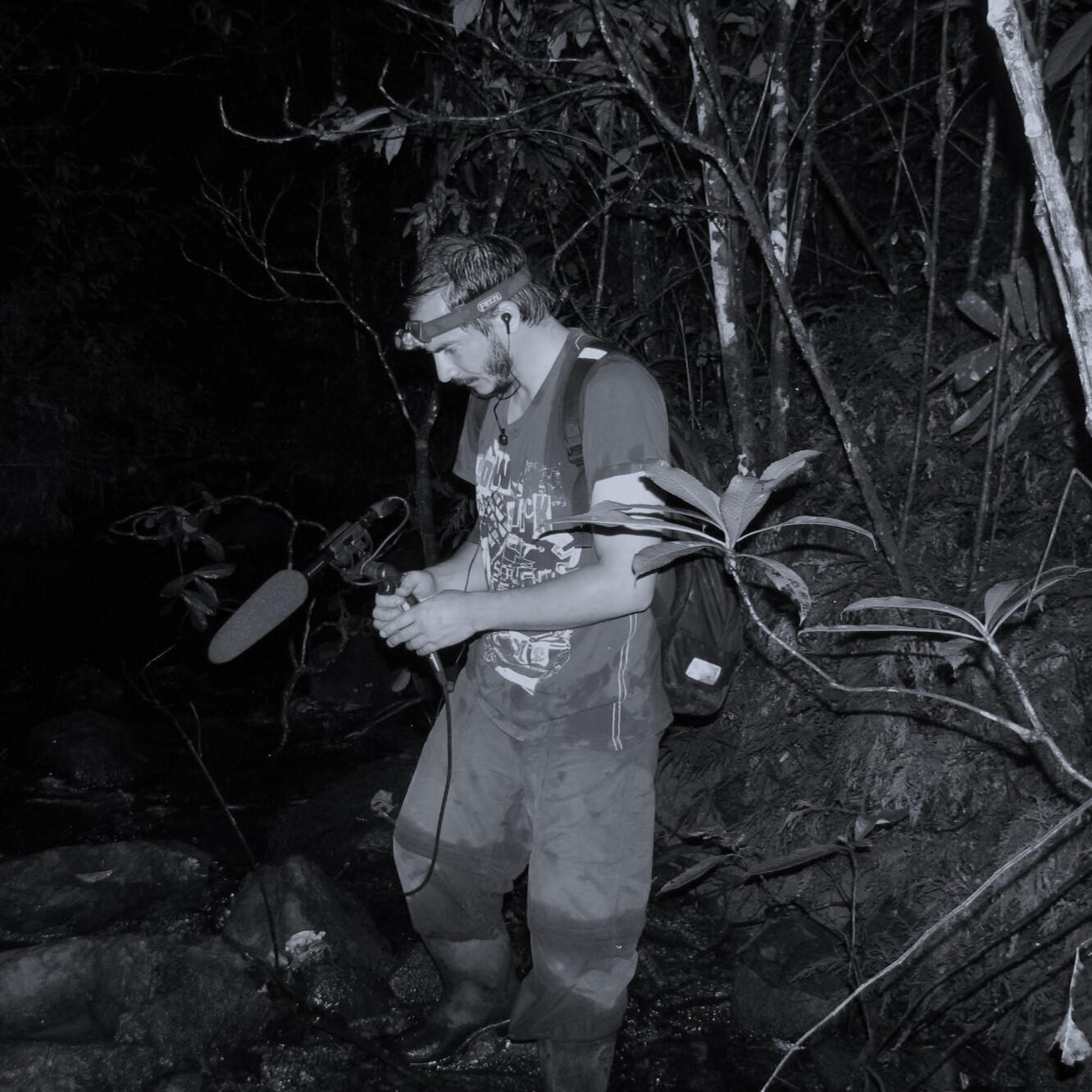
BIOTA is an artistic research initiative created by Pablo Bolaños exploring biodiversity through sound, combining ecoacoustics, electronic music, and participatory installations.
Contact
Collaborations
Exhibitions
Research partnerships
Educational programs
Listen
Selected compositions from the Biota Specimens project, created from animal vocalizations and environmental soundscapes recorded in diverse ecosystems.
Featured in the Amphibian Ark Podcast
Biota Specimens explores how the voices of animals can become the building blocks of musical composition. Instead of adding instruments on top of nature recordings, the music is created directly from wildlife vocalizations recorded in the field.The piece Crystal Frog's Melodic Quest, featured in the Amphibian Ark podcast, is based entirely on recordings of amphibians from the Caribbean rainforest region of Izabal, Guatemala. Calls of species such as Incilius valliceps, Hyalinobatrachium viridissimum, Dendropsophus microcephalus, Smilisca baudinii, and Leptodactylus melanonotus form the rhythmic and melodic structure of the composition.All sounds were originally recorded during biodiversity research using scientific audio equipment. Through subtle transformations of timing and frequency, these natural choruses are arranged into musical compositions.The goal of BIOTA is simple: to help people listen to biodiversity in a new way and discover the musical patterns hidden in nature.
Research
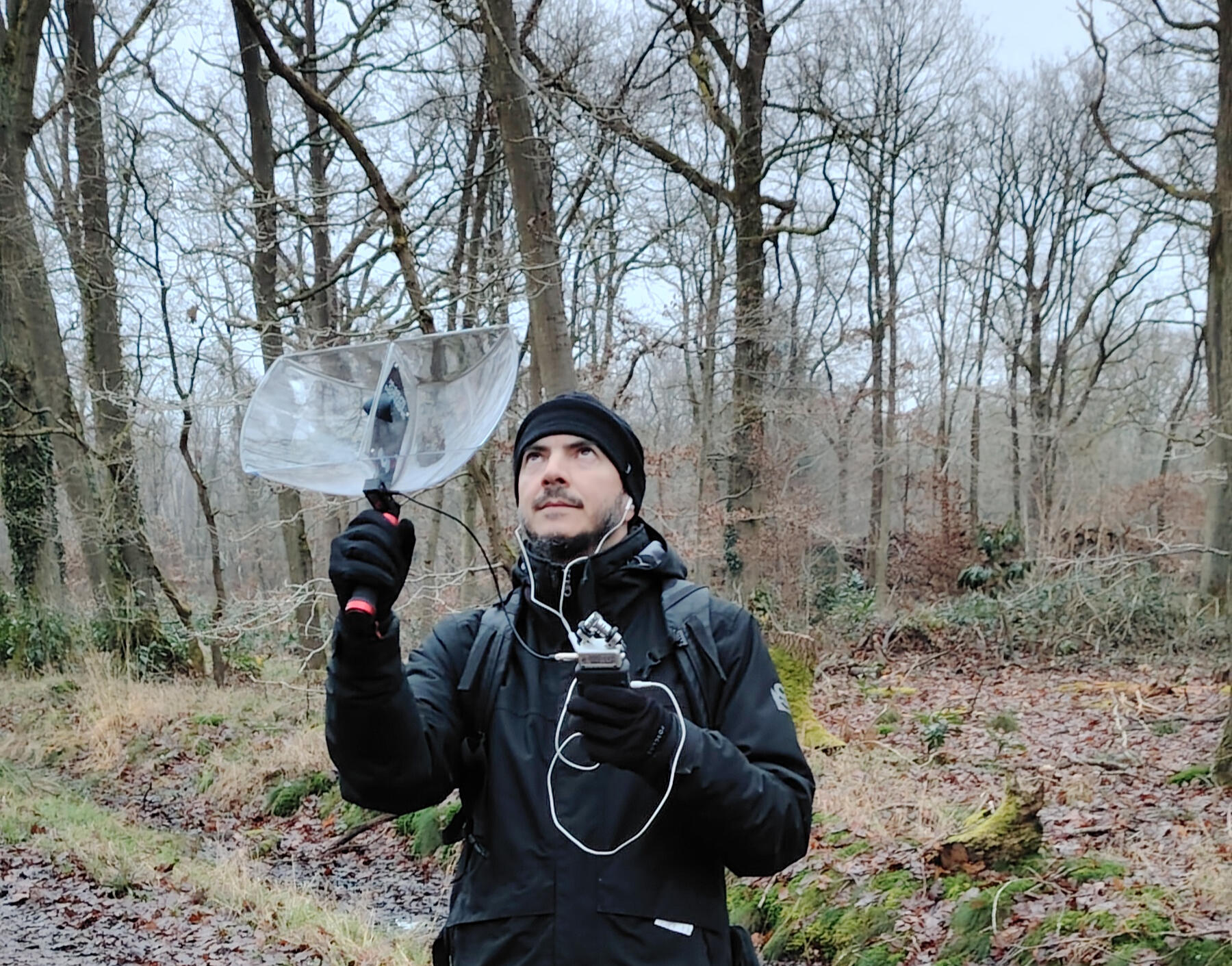
BIOTA emerges from ecoacoustic research on animal communication and biodiversity monitoring.
Scientific field recordings and soundscape analysis provide both the ecological insights and the sonic material that inform the artistic explorations of the project.
Selected publications
Ph.D. thesis: Acoustic behavior and ecology of the Resplendent Quetzal Pharomachrus mocinno, a flagship tropical bird species. Natural History Museum, Paris. 2019.Bustamante, M. & Bolaños, P. (in press). Assessing Vocal Activity and Habitat Use of the Resplendent Quetzal (Pharomachrus mocinno) Using Passive Acoustic Monitoring and Deep Learning in a Guatemalan Cloud Forest. Journal of Tropical Ecology.Soares, L. et al. (2023) Neotropical ornithology: Reckoning with historical assumptions, removing systemic barriers, and reimagining the future. Ornithological ApplicationsBolaños-Sittler P, Aubin T & Sueur J. (2021). Acoustic competition within a tropical bird community: the case of the Resplendent Quetzal Pharomachrus mocinno in Guatemala. Journal of Tropical Ecology: 1–11. https://doi.org/10.1017/S0266467421000420Bolaños-Sittler, P., Sueur, J., Fuchs, J., Aubin, T. (2020). Vocalizations of the rare and flagship species Pharomachrus mocinno (Aves: Trogonidae): implications for its taxonomy, evolution and conservation. Bioacoustics.
10.1080/09524622.2019.1647877Bolaños-Sittler, P., & Villatoro, F. (2016). Paisaje Sonoro en Bosques de Montaña de Guatemala. Revista de La Universidad Del Valle de Guatemala, 32, 13–24.Bolaños-Sittler, P. (2015). Avistamientos recientes de Corvus corax (Cuervo Grande) en las tierras altas de Guatemala. Zeledonia, 19(2), 82–87.Bolaños-Sittler, P. (2016). Recent sightings of Common Raven Corvus corax in the highlands of Guatemala. Cotinga, 38, 88–89.González-García, F., Rega-Brodsky, C.C., García-Arroyo, M. et al. Chirping across continents: variation in urban house sparrow (Passer domesticus) vocalizations across North America and Europe. Biol Invasions 27, 68 (2025). https://doi.org/10.1007/s10530-024-03521-0